
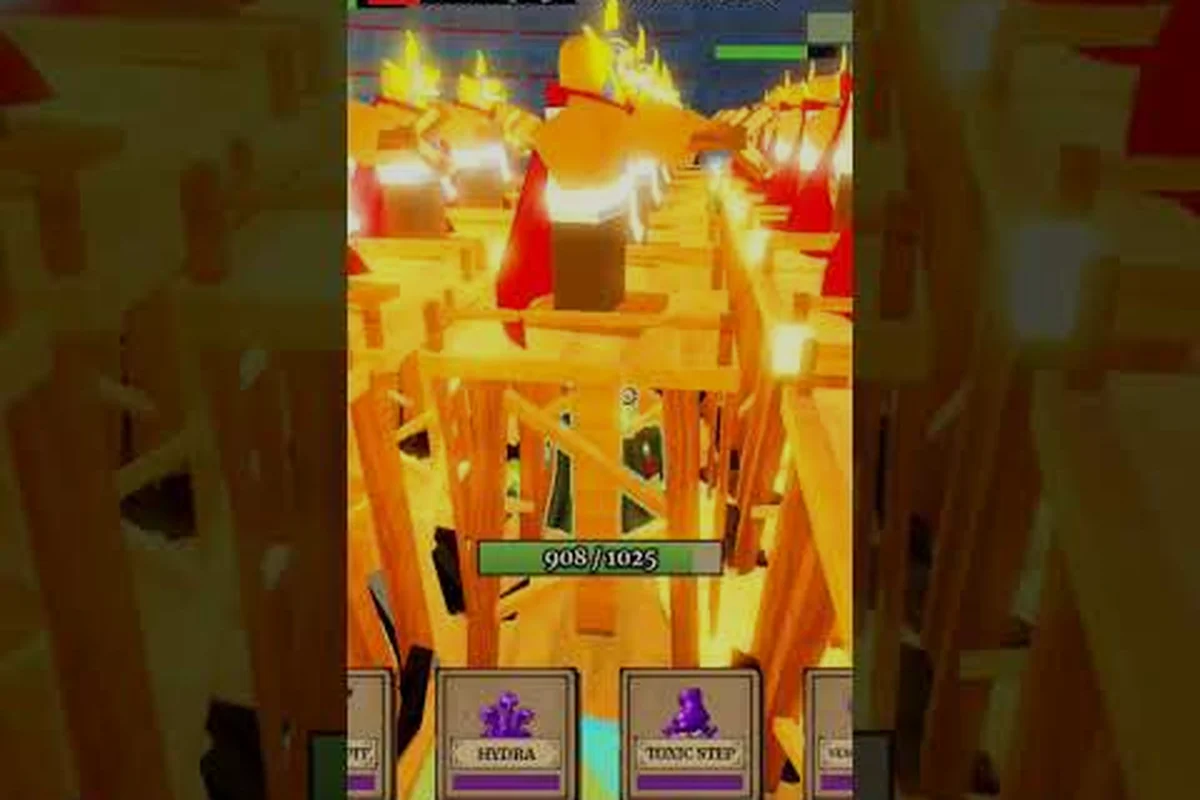
Running a Fruit Zombie Survival lobby with friends feels chaotic until each player locks into a clear role. The Fruit Zombie Survival character guide for co-op starts with one principle: every slot in a four-person team should answer a different question, namely who tanks, who bursts, who enables, and who farms. According to the official Fruit Zombie Survival Roblox page, the game supports up to four co-op players, 20 collectible Devil Fruits, and endless zombie waves that escalate every few rounds. That design pushes squads toward deliberate composition, because uncoordinated teams burn revives long before they reach the Dune Marauder on Wave 10.
This Fruit Zombie Survival character guide for co-op walks through party roles, the upgrade loop, fruit synergy, evolution and awakening breakpoints, and the fastest way to convert a fresh squad into a Wave 10+ crew. Numbers below come from community testing reported by players and the official game page, so treat exact values as patches may shift balance.
Picking a Co Op Party Composition
The first decision in any Fruit Zombie Survival character guide for co-op is the front-to-back line. A balanced four-stack typically blends one durable frontliner, two damage dealers, and one support or farming hybrid. Solo duos and trios work too, but every missing slot raises the chance that a single death snowballs into a full wipe when revive tickets run out.
The Four Slot Framework
Most successful lobbies reported by veteran fruit zombie survival players settle into a four-slot template within three or four runs, because co-op scaling and Awakening priority both assume a balanced Vanguard, burst, sustained, and support lineup. The table below distills that default framework so new crews can assign Awakening stones, evolutions, and Berries without guesswork.
| Slot | Role | Primary Job | Co Op Value |
|---|---|---|---|
| Slot 1 | Vanguard | Hold aggro, soak hits | Stalls horde so ranged allies can deal damage |
| Slot 2 | Burst DPS | Delete special zombies fast | Clears mini-bosses before they swarm |
| Slot 3 | Sustained DPS | Clear trash waves | Keeps the heat off the Vanguard |
| Slot 4 | Support or Farmer | Heal, revive, or farm Berries | Stabilizes the team and funds the next run |
Slot 4 is the most flexible position. In a farming-focused lobby, that player grabs the Corrida Colosseum auto-skip loop and prints diamonds for the rest of the team. In a hard push, the same slot swaps to a revive-focused support that holds the 12 R$ reserve for clutch revives.
Duo and Trio Variants
Two-player lobbies collapse the framework to a Vanguard plus a hybrid DPS-Support. The Vanguard frontliner should pick a fruit with a defensive modifier, while the partner stacks burst to compensate for the missing slots. Three-player crews usually run Vanguard, Burst, and Flex, where the Flex player rotates between wave-clear and revive duty depending on the round.
Building Characters Around a Co Op Role
Once the slots are set, the next step in any Fruit Zombie Survival character guide for co-op is shaping each character so the role actually works. Building means picking the right Devil Fruit, choosing where to spend Berries during a run, and locking in passive priorities between runs.
Fruit Choice by Role
Each fruit reshapes how a slot behaves in co-op, and the community-reported tier below maps the most common picks from the 20-fruit roster into the four-slot framework so duo and trio lobbies can plan awakenings, upgrade paths, and evolution branches around role coverage instead of raw damage. The table deliberately treats the Slot 1-4 layout as fixed and lets the fruit itself define the role, which is why the same Vanguard slot can swing between Smoke-tank and Barrier-leaning fruits without changing keybinds.
| Role Fit | Example Fruit | Why It Works in Co Op |
|---|---|---|
| Vanguard | Smoke or Barrier-leaning fruits | High durability lets them hold the frontline while ranged allies rotate |
| Burst DPS | Fire Fist or Bomb-style fruits | Spammable abilities delete mini-bosses when bound to a single key |
| Sustained DPS | Area-of-effect fruits | Wipe trash waves without burning cooldown timers |
| Support or Farmer | Mobility-heavy fruits | Reach revive locations faster, or solo the Corrida Colosseum loop |
Fire Fist stands out in duo and trio stacks because the V-key spam loop documented in community diamond farming guides frees Slot 4 to farm while the front three hold waves. Players building a support should prioritize survivability passives over raw damage, because dead supports cannot revive.
Passive and Stat Priorities
Between runs, every character levels passives that affect survivability, damage, and ability uptime through the shared upgrade tree, where co-op squads should funnel resources into one stat first instead of spreading thin. A typical priority order reported by players on the Awakening banner looks like this, and devolving from it often means one teammate hits a damage wall while the rest carry dead weight.
-
Health for Vanguards and Supports to survive focused attacks
-
Cooldown Reduction for Burst DPS so abilities stay online during boss windows
-
Damage for Sustained DPS, applied only after the Vanguard is sturdy enough to hold aggro
-
Mobility for Farmers, because speed is what makes the auto-skip loop fast
A squad that over-invests in damage before health will see its Vanguard collapse on Wave 6 or 7, which usually ends the run. The reason is the Awakening-benchmark aggro curve: from Wave 5 onward, the Fruit Horde spawns 3–4 Brute Zombies that each deal 180+ damage per hit and target the frontliner, so a Vanguard sitting below roughly 4,500 HP gets two-shot before the Burst DPS window even opens. Once the Vanguard drops, the aggro flips to Supports, who lack the dodge passive of the Farmer role, and the team wipes within 10–15 seconds. Community data from the Tier-3 Awakening banner shows runs that re-prioritized Health first only lost 4–6% of their damage uptime while cutting mid-run wipes by nearly half, making the trade well worth it for any co-op squad pushing past Wave 8.
Upgrade Paths and Evolution Breakpoints
The middle of any Fruit Zombie Survival character guide for co-op is the upgrade loop, because uncoordinated teams treat upgrades as personal while coordinated teams treat them as shared. Character upgrades split into two streams: in-run purchases and between-run permanent growth.
In Run Upgrade Menu
Between wave countdowns the left-side UPGRADES menu opens a brief purchasing window where Berries farmed during the current run are converted into tiered stat boosts, and because the Berry pool is a shared co-op resource the crew should lock in roles before the timer starts — for example, handing Health to the Vanguard, Damage to the Burst DPS, and Cooldown reduction to whoever is spamming V-key combos, so no teammate accidentally dumps the shared stash on a redundant Damage upgrade right before Wave 8.
| Upgrade Category | Best Buyer | Reason |
|---|---|---|
| Health | Vanguard or Support | Keeps the frontline standing across multiple waves |
| Damage | Burst or Sustained DPS | Multiplies the damage role's clear speed |
| Cooldown | Burst DPS | Synergizes with spammable V-key combos |
| Utility (revive speed, pickup range) | Support | Speeds clutch revives and pickup travel |
According to community testing documented on diamond farming guides, the Health upgrade purchased during the countdown between waves is one of the highest-value buys, because it stacks with the Vanguard's natural durability. Teams that skip it and lean on damage usually regret the choice by Wave 8.
Permanent Character Upgrades and Awakening
Outside the run, characters can be strengthened with permanent upgrades, evolution ranks, and awakening tiers. The Fruit Zombie Survival currency guide covers where to spend diamonds earned from the farming loop, but the high-level character rules are simple.
| Permanent Track | What It Changes | Co Op Impact |
|---|---|---|
| Character Level | Base stats across the board | Raises the floor so the Vanguard does not crumble early |
| Evolution | Unlocks new ability modifiers | Adds party-wide buffs when evolution tiers are stacked |
| Awakening | Boosts the character's signature fruit | High-impact at awakening 3 and awakening 5, per community data |
Evolution and Awakening are the two longest grinds in the game. A co-op crew that focuses both tracks on the Vanguard first tends to clear higher waves, because the frontline becomes the team's anchor. Players who want a side reference for the full roster can cross-check the Fruit Zombie Survival character roster overview to see which characters evolve smoothly versus which ones demand heavy investment.
Co Op Combat Tactics by Wave Phase
Building the squad only matters if the squad can execute in a real run. Tactics is where most Fruit Zombie Survival character guide for co-op advice falls apart, because generic "stay together" tips do not survive Wave 7. The phase-by-phase breakdown below reflects patterns reported by players on the leaderboards.
Waves 1 to 5: Set the Formation
The first five waves are where the Vanguard learns the spawn rhythm and the back line learns safe firing positions. The team should agree on a chokepoint before Wave 1 starts, because rotating mid-wave breaks formation. Burst DPS holds cooldowns for the first special zombie and only burns them when the special is isolated. The Support or Farmer uses these early waves to collect Berries near the edge of the formation, where stray zombies cannot reach them.
Waves 6 to 9: Special Zombie Windows
Around Wave 6, special zombies begin to appear more often and they often arrive alongside trash. The Burst DPS should save the highest-damage ability for special spawns, while the Sustained DPS handles the trash in the same window. The Vanguard keeps aggro with light attacks instead of heavy swings, because heavier swings leave openings that the trash can punish.
If a player goes down, the Support should burn the 12 R$ revive if the wave is past 7, or hold it for a more dangerous wave if the team can survive a short stagger. Diamond-funded revives from the permanent upgrade track are cheaper and let the team save Robux for emergencies.
The Wave 10 Boss in a Co-Op Setting
Wave 10 spawns the Dune Marauder boss, which is the first major gear check for any co-op squad. Community data from farming guides treats the boss as the reset point: many players intentionally reset the character immediately after defeating it, then loop the Corrida Colosseum solo for diamonds. A push crew, by contrast, should focus the boss while the Vanguard holds its aggro, then stabilize health before Wave 11 starts.
Role Builds and Fruit Synergy
A solid Fruit Zombie Survival character guide for co op covers not just the slot choices but the specific builds that survive late waves. The builds below focus on role clarity rather than raw damage, because co-op values uptime over burst.
Vanguard Build: Smoke Frontliner
The Vanguard runs a Smoke-leaning fruit with health and cooldown passives maxed. The build is intentionally slow, because the job is to hold the chokepoint and let the rest of the team do damage. Awakening 3 unlocks a passive that reduces incoming damage, which is the exact breakpoint where the Vanguard becomes tanky enough to anchor a four-stack.
Burst DPS Build: Fire Fist Spammer
Burst DPS uses Fire Fist bound to the V key, because community farming guides have shown that spamming V while toggling Auto-Skip in the top-right corner produces the highest damage-per-second. The build ignores cooldowns in favor of cooldown-reduction passives, so the V-key chain stays uninterrupted during boss windows.
Sustained DPS Build: Area Control
Sustained DPS uses an area-of-effect fruit that clears trash waves without burning the team's revive reserves. The build prioritizes damage passives and a moderate health pool, since the Vanguard should be the only player taking heavy hits. Players who want a deeper farming perspective can review the Fruit Zombie Survival farming character build breakdown for a side-by-side of burst versus area-control.
Support or Farmer Build: Mobility and Revive Speed
Slot 4 is the most variable role, and the build shifts based on lobby goal. A farming build uses mobility passives to speed up the Corrida Colosseum loop, while a hard-push build uses revive speed and pickup range passives to stabilize the team. Because fruits affect ability uptime, players building a Support should pair their fruit choice with the Fruit Zombie Survival fruit stats overview to verify which fruit delivers the right modifiers.
Coordination, Reset, and Recovery
The meta layer of any Fruit Zombie Survival character guide for co op is what separates a coordinated squad from a chaotic one: knowing when to bank upgraded fruit characters, trigger Awakening tiers, and reset the lobby versus pushing deeper into a wave with weakened Evolution trees. A practical benchmark is to reset after two failed boss phases, swap in a backup Awakened character, and re-enter with full co-op ability synergy—rather than bleeding resources on a doomed run.
When to Reset and Re-Queue
Resetting the character after the Dune Marauder is the most efficient farming pattern reported by players, because Wave 10 pays the best Berries and diamond payouts per minute. A push crew, by contrast, should only reset when two or more players are dead and revive tickets are gone. The decision belongs to the team, not to a single player, because a unilateral reset can break a run that was about to stabilize.
Communication and Callouts
Even a casual co-op lobby runs smoother with three basic callouts. "Special left" tells the Burst DPS to rotate, "Vanguard down" tells the Support to prep a revive, and "Push Wave 10" tells the team to save cooldowns for the boss. These calls do not require a voice channel, because the same information works as quick text chat between waves.
Squad Longevity
The most successful long-running co-op crews treat character growth as a shared project. Everyone funds the Vanguard's awakening, everyone skips redundant permanent upgrades, and everyone agrees on the Wave 10 reset rule before Wave 1. That shared decision-making is what separates lobbies that clear Wave 15 from lobbies that wipe on Wave 6.
The Fruit Zombie Survival general build handbook covers revive, reset, and Auto-Skip usage in more detail for crews that want a deeper reference. Used together with the slot framework, the upgrade priorities, and the wave-by-wave tactics above, even a fresh four-stack can reach Wave 10 within a session and start pushing further on the next.
Frequently Asked Questions
What is the best co-op party composition in Fruit Zombie Survival?
A balanced four-player squad uses one Vanguard, one Burst DPS, one Sustained DPS, and one Support or Farmer slot. The Vanguard soaks damage, the Burst DPS deletes special zombies, the Sustained DPS clears trash waves, and the Support revives or farms Berries for the rest of the team. Duos and trios collapse the framework to a Vanguard plus a hybrid partner, which still works if the Vanguard's health passives are maxed.
How should a co-op team split Berries and upgrades during a run?
Berries are shared, so the team should agree on who buys what during wave countdowns. Health upgrades go to the Vanguard or Support, damage and cooldown upgrades go to the Burst and Sustained DPS, and utility upgrades go to the Support. Skipping the Health purchase is the most common mistake, because a dead frontline ends the run faster than a low-damage back line.
When should a co-op team reset the character after Wave 10?
Farming crews reset immediately after the Dune Marauder dies, because Wave 10 pays the best Berries and diamond payouts per minute. Push crews should only reset when two or more players are dead and revive tickets are gone. The decision belongs to the squad, not a single player, so agree on the rule before Wave 1.
Which characters benefit most from Evolution and Awakening in co-op?
The Vanguard benefits the most, because evolution and awakening tiers add durability and party-wide buffs that anchor the team. Burst DPS gets a strong second boost at awakening 3 and awakening 5, which is when their signature ability starts chaining. Supports benefit least early but scale well into late waves, when revive uptime becomes the deciding factor.
Can a two-player co-op lobby reach Wave 10?
Yes, a coordinated duo can reach Wave 10 if the Vanguard frontliner picks a defensive fruit and the partner runs Fire Fist with cooldown-reduction passives. The partner should save the V-key chain for special zombies and boss spawns, while the Vanguard holds the chokepoint. Without that role clarity, duos usually wipe around Wave 7 or 8.